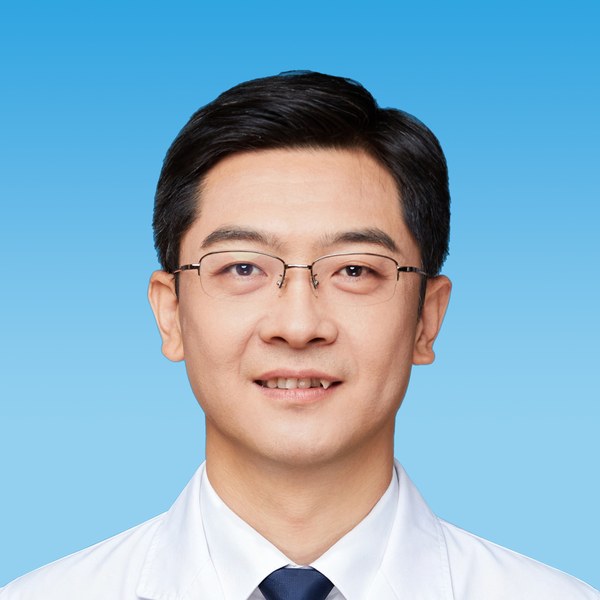

Ke He (何锞)
Deputy Director & Head of Skin & Laser Aesthetics · Attending Physician, Licensed Aesthetic Attending · Lead Physician of This Site
Peel depth and skin-tolerance assessment · pigment risk and cold-sore planning · barrier repair after controlled injury
Dr. Ke He is Deputy Director of the Plastic Surgery & Aesthetics Medical Center at Chongqing West District Hospital and head of its skin and laser aesthetic service — and she is the lead physician of this site. A core specialist formerly at the Plastic and Aesthetic Surgery Department of Xinqiao Hospital, affiliated with Army Medical University, she has worked on the clinical front line in skin laser and injectable aesthetics for more than 20 years, serving over ten thousand patients.
Her part of a peel decision is the part that comes before the agent. Skin that darkens after injury, a history of cold sores, a keloid tendency, a pigment disorder and recent systemic retinoid treatment all change whether a peel is reasonable and how deep it can safely go, and those questions are answered from the history and the examination rather than from a preference for one peel over another. Depths are staged rather than escalated in a single appointment, the border between treated and untreated skin is planned before treatment rather than discovered afterwards, and where the honest answer is a topical programme, a lighter series or no peeling at all, she says so and explains what that option would and would not achieve.
Clinical focus
Academic roles & achievements
The flaking is the treatment
Patients are usually told what a peel changes and rarely told what it costs them in days. A week of visible flaking, a fortnight of pinkness and months of sun protection are not side effects of a peel — they are the mechanism by which it works. A plan that does not put those days in front of you before you agree has not finished explaining itself.